Most people first hear about a PDO thread lift from a friend who “had something done” and looked refreshed by the weekend. Then they search pdo thread lift near me and find a maze of prices, thread types, and dramatic pdo thread lift before and after photos. What separates a polished, safe, and effective pdo thread lift treatment from a mediocre one is less about marketing and more about method. Technique, assessment, and aftercare decide whether you get a subtle, natural lift or a short-lived tweak with more swelling than satisfaction.
This is the kind of treatment that rewards precision. I have seen cheeks lifted with three well-placed cog threads outperform a face carpeted with random mono threads. I have also watched expectations derail otherwise good work when a client wanted a non surgical facelift result that only a surgical facelift could deliver. Quality is not just about what goes in the skin, it is the conversation before, the hands during, and the plan after.
The case for threads when sagging begins
PDO stands for polydioxanone, a medical-grade, absorbable polymer that surgeons have used for sutures for decades. In aesthetics, a pdo thread lift procedure places fine threads under the skin to create lift, improve contour, and stimulate collagen. The appeal is straightforward. Compared with a facelift, a pdo thread lift is a minimally invasive treatment with less downtime, less cost, and no general anesthesia. Compared with fillers, it repositions lax tissue rather than just adding volume. Unlike Botox, which softens dynamic lines by relaxing muscle, threads target sagging skin and early jowl formation.
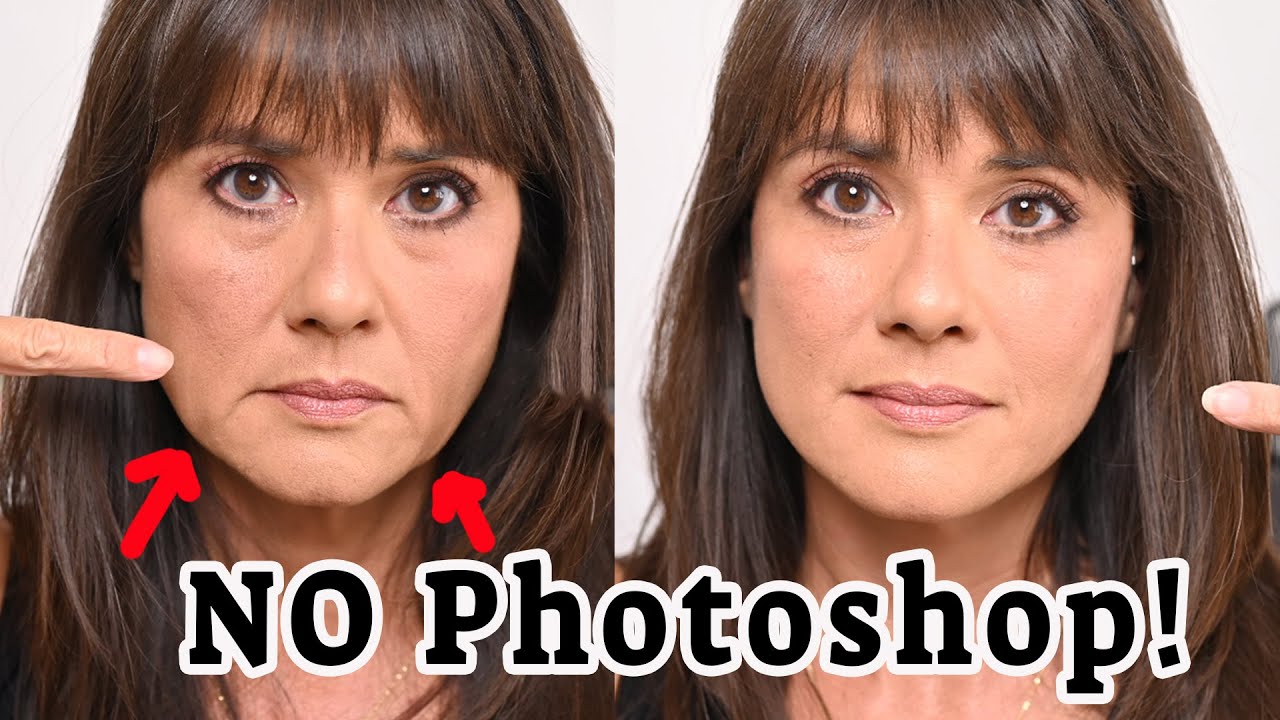
The sweet spot is mild to moderate laxity, typically late 30s to early 50s, though I have treated younger clients with early jowling and older clients with good skin quality and realistic expectations. Threads can softly elevate the mid face, refine the jawline, support the corner of the mouth, and sharpen the angle between the chin and neck. For the right candidate, a pdo thread lift facial creates an immediate mechanical lift followed by months of collagen stimulation that firms the skin from within.
What high-quality assessment looks like
Every strong outcome begins with a careful pdo thread lift consultation. A skilled pdo thread lift specialist will examine skin thickness, fat pads, ligament strength, and the direction of laxity. They should palpate and map vectors with you seated upright, not lying flat. Expect a mirror in your hand, a discussion of priorities, and a gentle tug test to show the planned direction of lift. If you pull toward the hairline but the jowl puckers near the mouth, that vector is wrong. Good planning avoids that.
This is also when trade-offs get real. A pdo thread lift does not remove extra skin, it repositions it. If you have heavy neck laxity or deep nasolabial folds caused by volume loss and ligament weakening, threads alone may not satisfy. You might need combination therapy: light filler to replace mid face support, neuromodulator to reduce platysmal pull, and collagen-building devices to thicken crepey skin. A high-quality clinic explains this, not to upsell, but to align the pdo thread lift results with what is anatomically possible.
I often show clients pdo thread lift reviews with photos taken at 1 week, 6 weeks, and 6 months. The early look is taut with slight irregularity, because swelling and thread anchoring are fresh. At 6 weeks, things settle. At 4 to 6 months, collagen stimulation becomes obvious and texture often looks better. This timeline sets honest expectations and reduces anxiety when the “Day 3 dimple” appears, then resolves.
Thread types and when to use them
Clinics toss around terms like pdo thread lift mono threads, cog threads, and screw threads as if they are interchangeable. They are not.
Mono threads are smooth. They do not grip or lift much. I use them primarily for skin rejuvenation in areas like the neck, decolletage, or for fine crêpey skin of the cheeks. Think collagen stimulation and subtle firming, not an obvious lift.
Cog threads have barbs or cones. They anchor tissue and create a mechanical lift. These are the mainstay for a pdo thread lift for face, especially for the jawline, marionette area, and mid face. When someone asks about pdo thread lift for jawline or pdo thread lift for cheeks, they usually mean cogs.
Screw or twisted threads add slight volume and can support small areas that need a bit more fullness alongside lift, for example near the nasolabial crease when it is shallow. They are less common for primary lifting vectors but can fine-tune.
I reach for pdo thread lift cog threads to tighten a soft jowl that blurs the mandibular angle. For pdo thread lift for neck, mono threads in a grid can improve creping, and cogs can lightly elevate the submental area if tissue quality allows. For a brow lift, short cogs can open the tail of the brow, but only a few millimeters when properly placed and only for the right candidate. For under eye, I am cautious. Skin here is thin, and overt threads can show. Usually I prefer collagen-building treatments first, and only place very delicate threads if the anatomy supports it.
Technique, anesthesia, and session flow
A clean field and careful numbing make all the difference. Your pdo thread lift appointment should begin with detailed photographs, consent, and skin prep with antiseptic. I prefer a mix of topical numbing and local anesthetic at entry and exit points. Some providers add lidocaine along the tunnel with a blunt cannula. The goal is comfort while preserving tissue feel, because over-numbing can make it harder to sense planes and can swell the area enough to mislead vector choices.
Once points are marked, I place entry sites at supportive, immobile tissue, then pass a cannula along a subdermal plane that glides just under the skin, above the SMAS, without poking through or dipping too deep. A secure anchor at the temporal fascia or sturdy cheek tissue is essential. If you feel sharp pain, especially a radiating zinger, your provider should pause and redirect. Passing cogs in clean, decisive vectors reduces trauma and bruising.
A typical pdo thread lift session time runs 30 to 60 minutes for mid face and jawline, longer if combining areas. The moment threads are set, we activate lift by gentle counter-traction, smooth the skin, and trim tails. Mild asymmetry at this stage is common and usually evens as tissue relaxes. If dimpling occurs at an entry, soft massage or a small needle release can fix it.
Clients often ask about the pdo thread lift pain level. With local anesthetic, most describe pressure and brief stings rather than sharp pain. Anxiety matters as much as needle sensation, so a calm room, clear communication, and a provider who narrates steps help. Sedation is rarely needed.
Where threads shine and where they fall short
I am candid about scope. A pdo thread lift for lifting face excels at early jowls, soft marionette lines, mild mid face descent, and a weak jawline angle. It can help a double chin if combined with fat reduction or muscle relaxation, for example with deoxycholate or botulinum toxin in the platysma. Threads support but do not replace fat loss treatments.
For forehead lifting, I keep expectations conservative. Heavily hooded lids and thick brows rarely respond dramatically to threads alone. A pdo thread lift for brow lift can give a modest tail lift on the right face, best paired with brow toxin placement.
For deep nasolabial folds, I reach for structural support first: lateral cheek volume, maybe a small amount of filler, then threads to reposition rather than pulling everything forward. For a pdo thread lift for under eye or tear trough, proceed carefully. Surface irregularity is unforgiving here.
When clients ask for a pdo thread lift full face, I map priorities. Over-threading is not better. Strategic vectors beat sheer thread count. A refined approach prevents a drawn or “wind-swept” look.
Safety, risks, and how a good clinic prevents problems
No pdo thread lift is risk-free. The common side effects are swelling, bruising, tenderness, dimpling, and a pulling sensation when talking or chewing, usually easing within a week or two. Small puckers may appear early and settle as tissue accommodates. A transient asymmetry can occur, particularly if one side of the face had more laxity to start.
Less common complications include prolonged irregularities, thread visibility, infection, and thread migration or extrusion. Vascular issues are rare with threads compared with fillers, but bleeding from a nicked vessel or a hematoma can happen. Nerve irritation is uncommon but possible if a thread trajectory is too deep or tangles with a motor branch.
A capable pdo thread lift provider reduces these risks with anatomy-first planning, blunt cannulas, minimal passes, and sterile technique. They will also give direct aftercare to avoid early strain on the lift. If something goes off plan, you want a pdo thread lift expert who recognizes it and has solutions: release techniques for a tethered dimple, antibiotics for an early infection, or removal if a thread extrudes.
I advise clients to ask pdo thread lift consultation questions that surface safety habits. How many thread lifts does the provider perform monthly? What thread types do they use and why? What is their approach if a dimple persists? Can they show late pdo thread lift results at 6 to 12 months, not just immediately after?
What the first week really feels like
Honest recovery talk improves the experience. A pdo thread lift recovery is not bed rest, but it is not nothing. Expect tightness that feels like a tape pulling your cheeks when you smile. Sleep on your back for a week. Avoid opening your mouth wide, heavy exercise, and vigorous facial massage. If you chew gum on day one, you might regret it.
Visible swelling peaks in the first 48 hours and resolves over 3 to 7 days. Bruising depends on your tendency and technique used. I tell patients to plan for public-facing events after a week, with makeup allowed after 24 hours if entry points are sealed. Arnica or bromelain may help bruising, though evidence is mixed. Cool compresses help with swelling.
A light, temporary numbness can occur along the thread path. Small lumps at the entry sites often flatten by week two. If you notice a strong pucker that does not relax in a few days, call your clinic. Early adjustments are easier than late ones.
A realistic arc of results and longevity
The tug you see on day zero is not the final outcome. The first month is about settling. Months two to six bring collagen stimulation and firmer texture. Most people feel peak results around month three or four. A pdo thread lift how long does it last varies with thread type, number of vectors, skin quality, and lifestyle. In my practice, lift effects range from 9 to 18 months, with subtle collagen benefits extending longer. Heavier tissues and strong, active faces may see shorter longevity. A gentle maintenance plan, often a smaller number of threads at the 12 to 15 month mark, can keep the lift going.
If someone tells you their pdo thread lift effectiveness faded in three months, I look for causes: too few cogs, poor vectoring, overactive pulling forces, or unrealistic expectations. Conversely, I have clients who still look crisper at two Homepage years, especially when they combined threads with good skincare, sun discipline, and periodic neuromodulator to reduce downward pull.
Cost, value, and the red flags to avoid
A fair pdo thread lift cost reflects thread quality, provider skill, and time. Prices vary by region and scope, generally ranging from the cost of a focused filler session to several sessions, depending on the area treated. The waist-high banner promising “full face pdo thread lift price” at a bargain often means cheap threads or rushed technique. Value shows up at six months when things still look good, not at checkout.
When shopping pdo thread lift clinic options, be wary of volume mills that book 30-minute “face lifts” back to back all day. A careful pdo thread lift surgeon or doctor will limit daily cases to preserve focus and sterile control. Ask whether the clinic uses reputable brands with consistent manufacturing. Threads are medical devices, and quality matters.
Two red flags: a clinic that says threads work for everyone, and one that dismisses risks as theoretical. Threads are tools, not magic. The right provider will sometimes steer you to a different path.
How a top-tier clinic plans and delivers care
I audit my own process often. High-quality pdo thread lift professional treatment follows a rhythm that patients can feel.
- The consultation is slow on purpose. We map, mirror, and plan, and I decline if threads are not the right answer. The day of the procedure is calm. We consent, photograph, mark, numb, disinfect, and place threads cleanly with minimal passes and clear communication. Aftercare is specific. Sleep position, activity limits, when to wash your face, what to do if dimpling appears, and when to message us. You leave with writing and 24 to 48 hour access if something worries you. Follow up is built in. I prefer a check at 10 to 14 days to fine-tune and a second at 6 to 8 weeks to assess collagen response and consider adjuncts. Maintenance is mapped. We discuss pdo thread lift maintenance and whether you might add collagen stimulation devices, skincare, or small vector boosts at the one-year mark.
Area-by-area judgment calls
Mid face: For early descent, I like two to three cog threads per side, running from the zygomatic anchor down to the malar and nasolabial territory. If volume is poor, a touch of filler first, then threads two weeks later, often performs better than threads alone.
Lower face and jawline: V-shaped vectors from the preauricular anchor toward the jowl and marionette line sharpen the angle. If the chin is recessive, threads cannot build a point; a chin implant or filler may be needed. For pdo thread lift for marionette lines, threads help, but mouth-corner depressor muscle pull and skin quality drive results too.
Neck: I manage expectations. A pdo thread lift for neck can improve texture with mono threads and give a modest lift to submental fullness if paired with fat reduction. Platysmal bands respond better to neuromodulator. Excess skin is surgical territory.
Brow and forehead: A pdo thread lift for brow lift can open the tail by a few millimeters on select faces. Thick brows or low-set brows with heavy skin are poor candidates. A pdo thread lift for forehead is rare; the area is better managed with neuromodulator and energy-based tightening for most.
Under eye: If someone insists on pdo thread lift for under eye, I insist on a test area or a staged approach after improving skin quality with biostimulators or energy devices. The risk of visibility and irregularity is higher here.
Nasolabial folds: I treat laterally. Lift tissue back to its home rather than stuffing the fold. Threads can soften the fold if the cheek pad has dropped, but ligament tethering and bone resorption also play roles.
Preparation that pays off
Clients often ask what to do before a pdo thread lift. I recommend pausing blood-thinning supplements and medications when safe and approved by your doctor, avoiding alcohol for 48 hours, and skipping major dental work or dental cleanings in the two weeks around the procedure to reduce bacterial load. Come with a clean face and a flexible schedule in case we need a bit more time to perfect symmetry.
If you bruise easily, plan your calendar. If you clench or grind, address muscle tension in the masseter and platysma with neuromodulator ahead of time. These two muscles can fight your lift. Good hydration, protein-rich meals, and sleep help tissue heal.
Aftercare that preserves the lift
Most clinics hand out a generic sheet, but tailored advice beats boilerplate. I tell patients to keep their head elevated the first two nights, use a silk pillowcase to reduce friction, and not to scrub or aggressively massage skincare for a week. Avoid heavy yawning, wide dental care in the first 10 days, and high-intensity workouts for five to seven days. If you must exercise, choose low-impact, no-bounce options.
If you feel a snag or dimple, stop manipulating it. Gentle sweeping strokes with clean hands, as instructed, are safer than firm rubbing. If an entry point looks red, warm, and tender after day three, call the clinic. Early infection is rare but treatable.
Comparing threads with other options
When clients weigh pdo thread lift vs facelift, I draw two curves on paper: lift magnitude and longevity. Facelift sits high on both, but with surgery, scars, cost, and downtime. Threads occupy a middle band of lift and longevity with minimal downtime. For pdo thread lift vs fillers, threads lift and reposition, fillers restore volume and structure. Most faces do best with both, targeted and staged. For pdo thread lift vs Botox, they do different jobs entirely. Combine them to reduce downward pulls and maintain your lift.
I sometimes use energy-based tightening before or after a thread lift when skin quality needs help. Timing matters. Aggressive heat near fresh threads risks weakening them. Light collagen stimulation a few months later can extend benefits.
Patient stories that illustrate judgment
A 44-year-old woman with early jowls and good skin elasticity came seeking an alternative to a facelift. We placed three cog threads per side for lower face vectors and two for mid face. She reported tightness for a week, no bruising, and looked “less tired” at her 6-week visit. At 14 months, a small maintenance lift with two cogs per side refreshed her contour.
A 51-year-old man wanted a chiseled jawline. He had heavy submental fat and thick skin. I recommended fat reduction first, two rounds over eight weeks. Then we placed jawline threads. His result held about a year, and he maintained it with neck-focused workouts and weight stability. Threads alone, at his starting point, would have underwhelmed.
A 39-year-old woman asked for pdo thread lift for under pdo thread lift eye. She had thin skin and visible vasculature. I declined threads there and set a plan: gentle collagen biostimulator, sunscreen diligence, and micro-needling. Six months later, we placed mid face threads to lift cheek tissue. Her under eye looked better by lifting lateral support without ever threading the tear trough.
What to ask during your consultation
Use this brief checklist to gauge clinical quality and fit.
- Which thread types will you use for my goals, and why those over others? How do you map vectors, and where will you anchor? What results should I expect at 1 week, 6 weeks, and 6 months? How do you manage dimpling, asymmetry, or a visible thread if they occur? What is the maintenance plan if I like my result?
The long game: maintenance and integration
A pdo thread lift is not a one-off event, it is a chapter in your broader anti aging treatment plan. Budget for skincare that supports collagen, a neuromodulator schedule that quiets downward pulls, and occasional collagen stimulation with energy devices if your skin tolerates them. Healthy habits extend your result: stable weight, sunscreen, protein, sleep, and no smoking.
Plan your pdo thread lift follow up and send your provider updates if something feels off. The small stuff addressed early prevents the big stuff later. If you are aiming for a pdo thread lift for full face glow, threads can be part of it, but even the best lift looks better on healthy skin.
Final thoughts on choosing your provider
Titles vary. Some excellent injectors are surgeons, others are physicians in aesthetic medicine, and some are advanced practitioners with extensive procedural training. More than the letters after the name, look for volume of experience specifically with pdo thread lift technique, a portfolio with late-stage photos, and a communication style that respects limits and explains trade-offs. A high-quality pdo thread lift doctor gives you a map you can understand and a result you can live in comfortably.
If you are scanning pdo thread lift reviews and sifting options, focus on details that signal professional care. You should feel like a collaborator, not a passenger. The best outcomes read as “you on a very good day,” not a template. When threads are planned thoughtfully, placed with precision, and supported with smart aftercare, the lift looks natural and the collagen stimulation keeps paying dividends long after the initial tightness fades.